A Property owner's Resource to Contracting Solutions in Denver
Hiring a contractor in Denver is not the same as hiring one in a milder, flatter, less regulated place. The Front Range has its own building rhythm. Spring hail can chew up roofs and siding in one afternoon. Expansive clay soils can move foundations enough to crack drywall. A sunny January morning can turn into a freeze-thaw problem by dinner. Add Denver’s permitting requirements, older housing stock, neighborhood design rules, energy codes, and a competitive labor market, and a simple remodel can become expensive fast if you choose the wrong team.
That is why the phrase “general contractors Denver” is more than a search term. It points to a real need: homeowners need builders who understand Denver homes, Denver inspectors, Denver weather, and Denver budgets. The right contractor does more than swing hammers. They sequence trades, protect your home, interpret drawings, keep inspections moving, solve jobsite problems, and tell you the truth before a small issue becomes a costly one.
If you are planning a kitchen remodel in Park Hill, a basement finish in Wash Park, a structural repair in Highlands, an addition in Sunnyside, or whole-home improvements anywhere along the metro area, the contractor you hire will shape the experience as much as the design itself. A good Denver General Contractor can make the process feel orderly even when the work is disruptive. A poor one can turn a three-month project into a year of change orders, missed calls, and patchwork fixes.
What contracting services really include
Many homeowners use the words contractor, builder, remodeler, and handyman interchangeably. In everyday conversation, that is understandable. In practice, the differences matter.
A handyman might be the right person for replacing a door, patching drywall, installing shelving, or repairing trim. A trade contractor might handle one specialized scope such as electrical, plumbing, HVAC, roofing, concrete, or tile. A general contractor coordinates the larger project. When several trades must work in sequence, when permits are required, when walls move or utilities relocate, or when structural issues are possible, you are usually in general contractor territory.
General Contracting Services Denver homeowners commonly need include remodels, additions, basement finishing, structural repairs, exterior upgrades, tenant improvements for small residential-commercial properties, fire or water restoration, and design-build coordination. Denver Contractor Services may also include help with budgeting, constructability review, subcontractor selection, permit submission, inspection scheduling, materials coordination, and warranty follow-up.
That coordination is easy to undervalue until you have lived through a project. A kitchen remodel, for example, is not just cabinets and countertops. It can involve demolition, temporary dust control, framing corrections, electrical rough-in, plumbing relocation, ventilation, drywall, flooring, cabinet installation, countertop templating, tile, finish carpentry, painting, appliance installation, inspections, and punch work. Miss one step or schedule trades in the wrong order and the delays compound.
This is where professional Denver General Contractors earn their fee. They are not simply marking up labor. They are absorbing risk, managing timing, and bringing judgment to hundreds of small decisions.
Why Denver homes need local judgment
Denver has beautiful housing variety, but that variety complicates construction. A 1908 bungalow near City Park behaves differently from a 1970s ranch in Harvey Park or a newer townhome in Central Park. Older homes may have balloon framing, knob-and-tube remnants, undersized electrical panels, plaster walls, uneven floors, shallow foundations, galvanized plumbing, or previous remodel work that was never permitted. Newer homes can have their own issues, including tight building envelopes, engineered structural systems, HOA requirements, and warranty-sensitive assemblies.
Soils are another local factor. Many areas along the Front Range have expansive clays that swell when wet and shrink when dry. That movement affects foundations, flatwork, basement walls, and drainage. A Contractor Denver CO homeowners can trust should pay close attention to grading, downspout extensions, sump systems, concrete detailing, and foundation signs before recommending cosmetic repairs. If drywall cracks keep reopening, painting over them is not a solution.
Weather also shapes good construction. Exterior work needs planning around snow, wind, hail season, and rapid temperature swings. Concrete pours, roofing, stucco, exterior paint, and window installations all have temperature and moisture considerations. Interior projects are not immune either. Material acclimation matters in Colorado’s dry climate. Hardwood flooring, trim, cabinetry, and doors can move noticeably if humidity is ignored.
Then there is permitting. Denver’s process can feel slow to homeowners who expected construction to begin a week after signing a contract. Depending on the scope, plans may need zoning review, structural review, landmark considerations, trade permits, and multiple inspections. Experienced Contractors in Denver know how to prepare submittals, respond to plan comments, and schedule inspections without guessing. That does not eliminate delays, but it reduces preventable ones.
The difference between a low bid and a real budget
Most homeowners want three bids. That is reasonable, but bid comparison can be misleading if the proposals are not based on the same scope. One Denver General Contractor may include permit fees, demolition, electrical upgrades, drywall repair, flooring transitions, paint, and cleanup. Another may leave those items vague or exclude them entirely. The second number looks better until the missing pieces return as change orders.

A real budget begins with a defined scope. If drawings are incomplete, materials are not selected, or existing conditions are unknown, the contractor should say so. There is nothing wrong with allowances when used honestly. For example, a bathroom remodel might carry a tile allowance or fixture allowance until final selections are made. The problem starts when allowances are unrealistically low. A $2-per-square-foot tile allowance does not reflect what many Denver homeowners actually choose once they visit a showroom.
For a midrange remodel, surprises often live behind walls and under floors. Once demolition starts, the crew may find old water damage, improper framing, aluminum wiring in a branch circuit, a vent line where a recessed medicine cabinet was supposed to go, or a floor system that needs leveling before tile can be installed. Good Colorado General Contractors build contingency into the conversation early. They might recommend setting aside 10 to 20 percent depending on the age of the home and complexity of the work. That is not scare tactics. It is responsible planning.
The most persuasive bid is not always the lowest or the thickest. It is the one that clearly explains what is included, what is excluded, what assumptions were made, and how changes will be priced. When a contractor can walk you through the estimate in plain English, they are showing you how they will communicate during construction.
Licensing, insurance, and the paperwork that protects you
Denver requires contractors to hold the appropriate licenses for many types of work, and trade work such as electrical, plumbing, and HVAC must be performed by properly licensed professionals. Requirements vary by jurisdiction, so a project in Denver may not follow the exact same rules as one in Lakewood, Aurora, Arvada, Englewood, or Littleton. This is one reason searching broadly for Contractors in Colorado is not enough. You need someone familiar with your city or county.
Before you sign, ask for proof of general liability insurance and workers’ compensation coverage. If a contractor uses subcontractors, ask how those subcontractors are vetted and insured. A homeowner’s insurance policy is not a substitute for proper contractor coverage. If someone gets hurt on your property or damages a neighboring structure, paperwork suddenly becomes very important.
A proper contract should identify the contractor, project address, scope, price structure, payment schedule, approximate timeline, warranty terms, and change order process. It should also address permits and inspections. If the contractor tells you a permitted project does not need a permit, slow down. There are small repairs that may not require one, but moving walls, changing electrical or plumbing systems, altering structural components, building additions, and finishing basements commonly do.
One practical detail matters more than homeowners expect: the payment schedule should be tied to progress. Large deposits with little detail create risk. Contractors need money to order materials and schedule labor, but you should not be paying most of the project cost before meaningful work has happened. A balanced schedule protects both parties.
How to evaluate a Denver contractor before inviting them into your home
The first conversation tells you a lot. A seasoned contractor asks questions before giving answers. They want to know the age of the home, the project goal, whether drawings exist, how long you plan to stay in the house, what budget range you have in mind, and what level of finish you expect. They may also tell you if your budget and scope are misaligned. That honesty can sting, but it is better than a contractor who agrees to anything to win the job.
Homeowners often ask for references, and they should. But references are usually satisfied customers. Go further by looking at project fit. If you are planning a complicated addition on an older Denver home, a contractor who mostly installs decks may not be the right match, even if their deck clients love them. If you need a basement finish with egress windows, plumbing, electrical upgrades, and inspection coordination, look for Denver General Construction Contractors who handle that scope regularly.
When comparing General Contracting Firms Denver homeowners should pay attention to communication style. Does the contractor follow up when promised? Do they put details in writing? Do they explain trade-offs? Do they seem rushed during the walkthrough? A contractor who is disorganized before collecting a deposit rarely becomes organized after.
Use this short checklist during your first serious screening:
- Confirm the contractor has the right local licensing, insurance, and trade partners for your scope.
- Ask for examples of similar projects in Denver or nearby jurisdictions.
- Review how estimates, allowances, change orders, and payment milestones are handled.
- Discuss who will be on site daily and who your main contact will be.
- Ask how they protect occupied homes from dust, weather, pets, children, and security issues.
That list will not catch everything, but it quickly separates professionals from guessers.
The hidden value of preconstruction planning
Homeowners sometimes want construction to start as soon as possible, especially after months of dreaming, saving, and collecting inspiration photos. The temptation is understandable. Still, preconstruction is where good projects are won.
Preconstruction can include site visits, measuring, design coordination, engineering input, budget refinement, product selection, permit preparation, and schedule planning. It may feel like nothing is happening because no one is tearing out cabinets yet. In reality, decisions made during this stage determine whether the job runs smoothly.
For example, cabinet lead times can affect the entire schedule. If cabinets take eight to twelve weeks from final approval, demolition should not necessarily begin tomorrow. Window packages, specialty doors, custom railings, tile, appliances, and plumbing fixtures can all drive timing. During busy seasons, popular subcontractors book out weeks in advance. A good General Contractor Denver homeowners can rely on knows when to wait and when to mobilize.
Preconstruction also reduces expensive improvisation. If a wall removal requires a beam, that beam needs engineering, pricing, inspection planning, and sometimes special installation equipment. If a basement bedroom needs an egress window, excavation access and drainage must be considered. If a new bathroom is planned far from existing plumbing, floor framing and drain slope can affect feasibility. These are not details to discover after demolition if they can be evaluated earlier.
This is also the stage where homeowners should make decisions about how they will live through the project. Can the family function without a kitchen for six weeks? Is there a place to store furniture? Will pets need daycare during loud demolition days? Is remote work possible while saws and compressors run? Construction is disruptive even with a careful crew. Planning makes it survivable.
Remodel, addition, or rebuild: choosing the right path
Denver homeowners often face a hard choice when a house no longer fits. Should they remodel within the existing footprint, add square footage, scrape and rebuild, or move? There is no universal answer.
A remodel within the existing structure usually has the least exterior complexity, but it can still be expensive if mechanical systems move or finishes are high-end. A main-floor reconfiguration might dramatically improve daily life without adding square footage. Removing a wall between a cramped kitchen and dining room, improving lighting, and adding storage can make an older home feel entirely different.
An addition adds space but brings more zoning, structural, foundation, roofing, drainage, and exterior matching concerns. In Denver neighborhoods with smaller lots, setbacks and lot coverage can limit options. Additions also require careful blending. A poorly matched addition can hurt curb appeal and resale value, while a thoughtful one looks like it belonged there from the start.
A full rebuild may make sense when the existing structure is in poor condition or when the desired outcome is impossible within the current shell. But rebuilds carry significant cost, design, permitting, financing, and neighborhood considerations. They are not simply “bigger remodels.” They are a different category of project.
Experienced Building Contractors Denver homeowners consult early can help compare these paths honestly. They may not replace an architect or real estate advisor, but they can identify construction realities that affect the decision. Sometimes the best advice is to scale back. Sometimes it is to invest more now to avoid tearing open finished work later. Judgment matters.
What good communication looks like during construction
Once work begins, communication becomes the project’s backbone. Homeowners do not need to know every minor jobsite detail, but they do need to know what happened, what is next, what decisions are pending, and whether the budget or schedule has changed.
A strong contractor sets a rhythm. That might mean weekly updates, shared photos, site meetings at key milestones, or written notes after inspections. The format matters less than consistency. Silence creates anxiety, especially when your home is covered in dust and half the walls are open.
Good communication is also direct. If a tile shipment is delayed, say it. If the inspector requested a correction, explain it. If the homeowner’s late fixture selection will push the schedule, document it. If the crew made a mistake, own it and describe the fix. Homeowners can handle bad news better than vague optimism.
I have seen projects stay healthy through serious surprises because the contractor communicated quickly and offered options. I have also seen smaller issues poison the relationship because no one returned calls. A $600 problem can feel like a $6,000 problem when homeowners are left guessing.
Denver Contractors Services should include clean documentation. Change orders should be written before extra work proceeds unless there is a true emergency. Photos of concealed work, such as plumbing routes or blocking behind walls, can be valuable later. Inspection approvals should be tracked. Warranty items should be recorded. This discipline is not glamorous, but it protects everyone.
Living in the house while work is underway
Many Denver homeowners remain in the home during construction to avoid rental costs. That can work, but only if the scope and household expectations fit reality. A powder room remodel is one thing. A whole-house renovation with asbestos abatement, major electrical work, and no functioning kitchen is another.
Dust control https://cristiangawi404.nexorafield.com/posts/leading-factors-to-employ-general-professionals-in-denver-for-your-next-build is one of the biggest quality-of-life issues. No contractor can make a remodel dust-free, but a careful crew can reduce migration with plastic barriers, zipper doors, floor protection, negative air machines when appropriate, and daily cleanup habits. HVAC returns should be protected. Pathways should be planned. Tools and materials should not take over the entire home unless the project requires it.
Noise is harder to control. Demolition, framing, tile cutting, sanding, and compressors are loud. If someone in the home works nights, has medical needs, or takes calls all day, discuss that before construction begins. The contractor may be able to adjust certain tasks, but construction cannot become silent.
Security also deserves attention. Many projects involve multiple trades, deliveries, dumpsters, temporary openings, and workers coming and going. Clarify lockbox use, alarm procedures, parking, bathroom access, and whether anyone may be in the home when you are away. Professional Contractors Denver homeowners hire should have jobsite standards that respect the property.
Pets and children add another layer. Open floors, exposed nails, tools, cords, adhesive, ladders, and open doors create hazards. Even friendly dogs can complicate a workday. If the project is substantial, plan safe separation rather than assuming everyone will “just be careful.”
Permits, inspections, and why they should not be treated as obstacles
Some homeowners see permits as a nuisance or a city revenue tool. It is true that permitting can be slow, and not every inspection feels equally meaningful. Still, permits serve a practical purpose. They create a formal review of safety-related work and a record that improvements were completed under local oversight.
That record can matter during resale. Buyers may ask whether basement bedrooms, additions, decks, electrical upgrades, or finished spaces were permitted. Unpermitted work can complicate appraisals, insurance claims, negotiations, and buyer confidence. It can also become expensive if corrections are required later.
Good contractors do not fear inspections. They plan for them. Rough inspections occur before walls close, when electrical, plumbing, mechanical, and framing work can still be seen. Final inspections verify completion. If corrections are needed, the contractor should handle them professionally rather than blaming the inspector for doing the job.
Permit timelines vary based on project type, workload, completeness of drawings, and jurisdiction. A simple trade permit may move quickly. A larger addition or structural remodel can take longer. The contractor should give realistic expectations rather than promising approval dates they cannot control.
Price ranges and the Denver cost reality
Homeowners often ask, “What does a remodel cost in Denver?” The honest answer is that it depends heavily on scope, age of home, finish level, access, design complexity, and market conditions. Still, some framing helps.
A cosmetic refresh may cost far less than a full gut remodel because it keeps plumbing, electrical, and walls mostly intact. A bathroom remodel can vary widely depending on tile, fixtures, waterproofing needs, layout changes, and hidden damage. Kitchens often cost more than expected because cabinets, countertops, appliances, lighting, plumbing, electrical, flooring, and finish carpentry all converge in one room. Basements can be efficient if the structure is straightforward, but egress windows, ceiling height, sewer depth, moisture issues, and mechanical layouts can change the budget quickly.
Labor costs in Denver are not bargain-basement, especially for licensed trades and reliable crews. Quality subcontractors have demand across residential, commercial, and insurance restoration work. Materials have also seen volatility in recent years. Lumber, concrete, roofing, mechanical equipment, cabinetry, and fixtures can shift in price or availability.
The goal is not to scare homeowners away from improving their homes. It is to encourage realistic planning. A well-executed project can improve comfort, function, energy performance, and resale appeal. A poorly budgeted project can drain savings and still leave the work unfinished. If a bid looks dramatically lower than others, ask why. Sometimes a contractor has a smarter method or lower overhead. Sometimes they missed half the scope.
Red flags that deserve your attention
Not every bad sign means a contractor is dishonest. Some are simply inexperienced, overbooked, or poor communicators. But your home is too valuable to ignore warning signals.
Watch for vague proposals, pressure to start immediately, requests for unusually large upfront payments, reluctance to provide insurance, unwillingness to discuss permits, no written change order process, and repeated missed appointments. Also be careful with contractors who dismiss every concern with “we do this all the time” but cannot explain how they will do it in your home.
A strong contractor does not need to be slick. Some of the best builders are plainspoken and practical. What matters is competence, transparency, and accountability. You want someone who can look at a tricky condition, pause, and choose the right fix rather than the fastest patch.
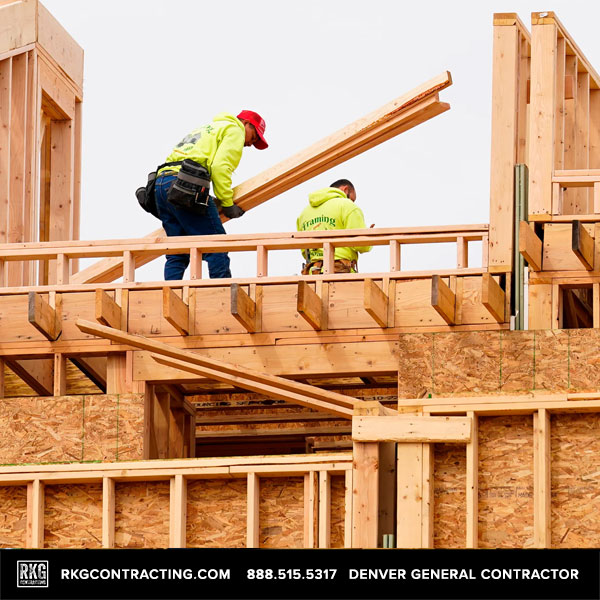
Use caution when a contractor says they can begin a large project tomorrow. There are exceptions, especially for emergency repairs or small jobs, but reputable Denver General Contractors often have schedules built weeks or months ahead. Immediate availability is not automatically bad, but it is worth understanding.
Where RKG Contracting fits into the Denver contractor search
Homeowners comparing Denver Contractors RKG Contracting, RKG Contracting General Contractors Denver, or simply RKG Contracting are usually looking for a contractor who can bring order to a complex project. The strongest case for hiring any general contractor is not a slogan. It is the ability to manage details that homeowners should not have to carry alone.
A capable Denver General Contractor should help shape the scope, set expectations, coordinate trades, protect the property, communicate clearly, and stand behind the work. That is the standard homeowners should use when evaluating RKG Contracting or any other name on their shortlist. The right fit depends on project type, schedule, budget, and working style, but the fundamentals do not change.
When you speak with a contractor, listen for specifics. If you are finishing a basement, they should understand egress, insulation, fire blocking, mechanical clearances, moisture management, and inspection sequencing. If you are remodeling a kitchen, they should ask about electrical capacity, ventilation, cabinet lead times, flooring transitions, and temporary kitchen plans. If you are building an addition, they should talk about foundations, drainage, roof tie-ins, zoning, structural engineering, and how the new space will meet the old.
Names and keywords help you find options. Competence shows up in the conversation.
The homeowner’s role in a successful project
Even the best contractor cannot make every decision for you. Homeowners shape project success by being clear, responsive, and realistic. That does not mean you need construction expertise. It means you need to make selections on time, communicate concerns early, review documents carefully, and understand that changes have consequences.
Indecision is one of the most common schedule killers. If tile is not selected before the tile setter is scheduled, the project stalls. If appliances change after cabinets are ordered, dimensions may not work. If you decide mid-project to add recessed lighting, the electrician may need to return, drywall may need patching, and inspections may shift.
Clear priorities help. If budget is the top concern, say so. If finish quality matters more than speed, say that too. If Thanksgiving guests are coming and the kitchen must function by then, make the date known early, but also ask whether it is realistic. A contractor cannot manage priorities they do not know.
Here is a simple way to prepare before requesting bids:
- Write down the main problem you want the project to solve, not just the features you want.
- Gather photos of styles you like, but note what you like about each image.
- Decide on a comfortable budget range and a maximum you do not want to exceed.
- Identify any hard deadlines, such as a new baby, sale date, or family event.
- Make a list of known issues in the home, including leaks, cracks, electrical problems, or past unpermitted work.
This preparation leads to better conversations and more accurate proposals.
Why the right contractor is worth it
Home improvement is personal. Contractors work inside the place where you cook, sleep, raise children, host friends, store memories, and recover from long days. Technical skill matters, but trust matters just as much. You are not only buying labor and materials. You are choosing who gets access to your home, who makes judgment calls behind the walls, and who will answer when something does not go as planned.
The Denver market has plenty of options. You can find large General Contracting Firms Denver residents see on commercial-style projects, smaller boutique remodelers, specialty Building Contractors Denver homeowners hire for additions, and independent Colorado Contractors focused on neighborhood residential work. The best choice is not always the biggest company or the flashiest portfolio. It is the contractor whose experience matches your scope, whose estimate makes sense, and whose communication gives you confidence.
Search terms like Contractors in Denver, Contracting Services Denver, General Contract Services Denver CO, Denver Contractors Services, or Colorado General Contractors can help you build a list. From there, slow down and evaluate. Ask better questions. Read the proposal. Verify the basics. Notice how you are treated before money changes hands.
A well-run project leaves behind more than new finishes. It leaves behind safe wiring, sound framing, dry assemblies, durable surfaces, proper inspections, and a home that works better for the people living in it. That outcome does not happen by accident. It comes from planning, craft, communication, and a contractor who understands the responsibility of working on someone’s home.
Denver rewards homeowners who build thoughtfully. The climate, codes, soils, and housing stock may add complexity, but they also make expertise more valuable. Choose a contractor who knows the terrain, respects the process, and has the discipline to do the work right.
RKG Contracting
575 E 49th Ave, Denver, CO 80216
Phone (720) 477-4757
Find us on https://www.facebook.com/profile.php?id=61555961237845&mibextid=wwXIfr
https://www.goodhousekeeping.com/search/?q=https%3A%2F%2Fheavyhanded.la%2F